

SLOWING DOWN WAS ONLY THE FIRST STEP: MY WEEKS AT A RURAL COLIVING IN SPAIN
Updated: 1 hour ago
If you asked me my favorite place in the world, I'd probably say an airport.
I know, it sounds a bit strange. But it's true.
Stand at the arrivals gate for 10 minutes. The doors slide open and a couple who haven't seen each other in months find each other in the crowd. One of them drops a bag and runs. Then they hold on like they're the only two people in the building.
You've seen it. Everyone has. It's the purest kind of love I know, and airports are full of it, every single day.
Then there's the departure board, full of cities I haven't seen yet. Everyone around me is on the way somewhere, and for an hour or two, so am I.
For as long as I can remember, I've wanted more freedom. Freedom to pick up and go, and to discover how other people live: their food, the way their day starts.
Over time, I came to understand what travel gives me most. Every new place brings me a little closer to the truest version of me.
For years, travel meant cities. Big ones, with a metro map and a hundred neighborhoods to get lost in. A village of 400 people in the hills of Andalusia was never on my list.

How I ended up in Benarrabá
In October 2023, I was working full time at Amazon, on site, and going through a hard stretch. That month I started writing on LinkedIn. It gave me a place to say what I thought, and a way to travel with my mind while my body stayed put.
For 31 months I wrote about Kaizen, the Japanese practice of continuous improvement: small changes, made every day, that add up over time. And for a lot of that time, what I wrote didn't match how I was living. I thought performing well meant pushing past every limit. Constantly. The result was a cycle of burnouts, each one a little harder to recover from.
In 2025, I turned down the promotion I'd asked Amazon for 3 years earlier and left in October. Since then I've run my business while solo traveling: Croatia, France, Morocco, Bulgaria, Spain. Mostly cities, with a constant hum in my head that kept me busy enough to never ask whether I was on the right path.
At some point I felt the need to slow down. In May 2026, I arrived at Rooral, a rural coliving built by Juan, Jon and their team in Benarrabá.
Life in the pueblo
400 people, white houses, hills above Málaga. Benarrabá is the kind of place where the loudest thing at 7 AM is the church bell and a few birds arguing about it.
Months before arriving, I'd watched a video of Silvestre, the mayor, where he said something I couldn't shake:
"People come to a village thinking that we are in the past, but this is the future."
In my second week, I met him, and it was one of the best moments of my stay. You rarely meet a community leader like Silvestre. He's fighting to keep the pueblo alive, and he believes something real is happening there. So do I.
At Rooral, most evenings are for family dinner. Two or three colivers cook for the whole house, and the rest of us sit down at one long table. People you met a week ago start to feel like old friends.
The pueblo has its own kind of magic, and in a group you feel it more. A dinner, a game of padel with the abuelitas (exactly what it sounds like). Conversations wander for an hour and somehow hand you the one thing you needed that day.
During the day, the same people worked hard. I'd pictured a coliving in a village as a chill stay with a laptop. Each of them was building something they cared about, and they put in the hours.
Their discipline rubbed off on me. Seeing them at it pushed me to give my best in my own deep work hours on my projects.

I came to slow down. I ended up going deeper
Somewhere in that second week I noticed that slowing down was only the first step.
When the hum goes quiet, things come up. The questions I'd been dodging in cities showed up on their own. In the pueblo's silence, I could follow a thought to the end.
A simple idea from psychology is called the Yerkes-Dodson curve. Stress on one axis, performance on the other, an upside-down U between them. Too little pressure and you coast. Add pressure, and you get sharper, up to a peak. Push past the peak and performance collapses. That's where burnout lives.

I'd been living at the right edge of that curve for years.
Slowing down got me off that edge. Going deeper is what lifts the whole curve: more performance, same stability. The village gave me both, enough silence to see where I was and enough focus to work on it.
Kaizen works in small steps, and that's how Benarrabá worked on me. I trained most days. I sat with my meditation practice every morning, uncomfortable the way new habits are. I said yes to padel and to dinners I'd normally skip for one more task.
And I left Benarrabá with more clarity than I've had in years.

Thinking about remote work from a village?
If you work remotely and your head has gotten loud, Rooral runs coliving seasons in Benarrabá every spring and fall.
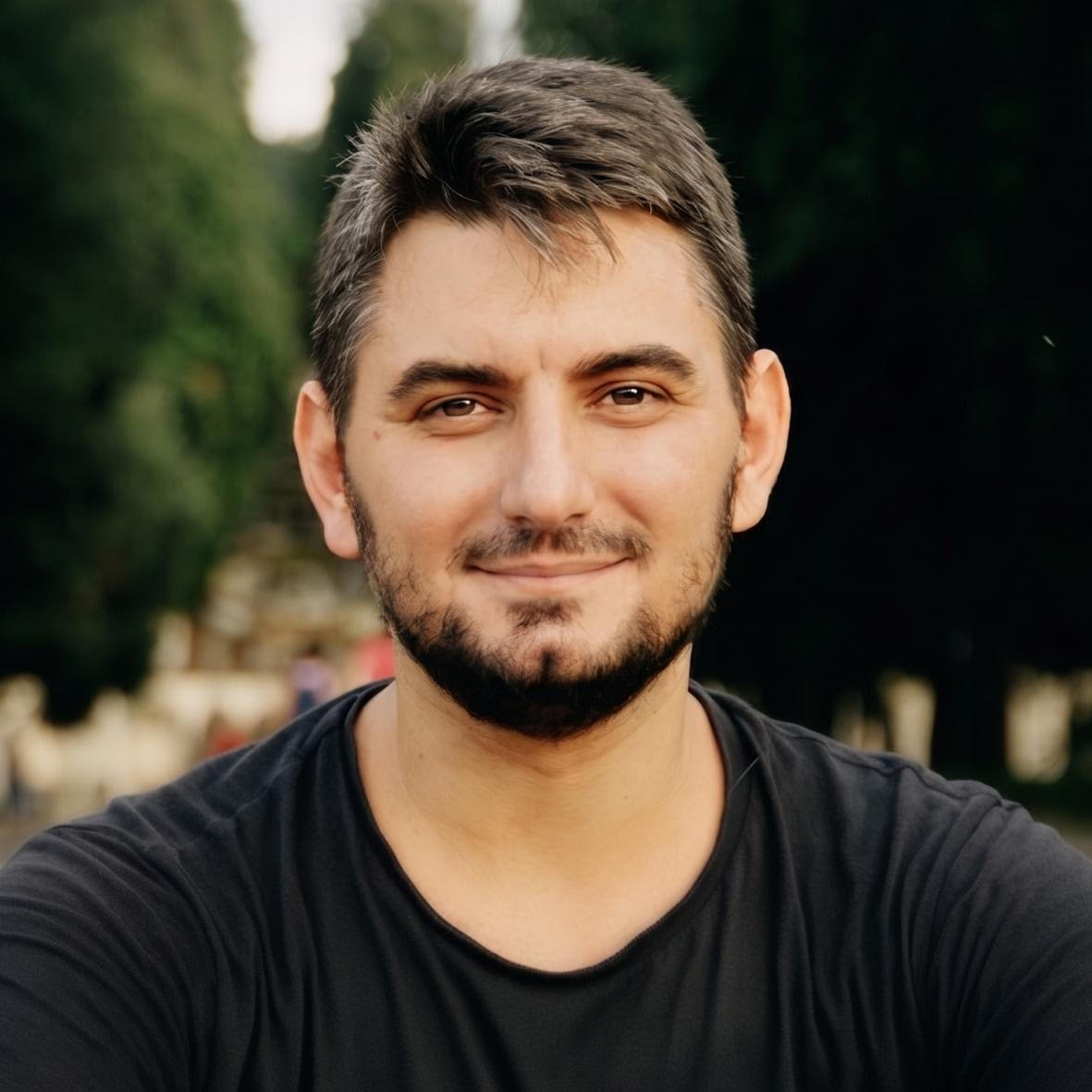
This post was written by Ivan Carillo, author of The Kaizen Way, a newsletter about building a life on your own terms. He stayed at Rooral Benarrabá in spring 2026.


Comments